Clinicans’ Hub


Functional presentations are everyday reality in the Emergency Department—real suffering, real risk, and real system impact—arriving in the middle of four-hour targets*, overcrowding, and constant interruptions.
Recognising and managing these cases well is hard, especially when time is short and investigations are normal. If we miss the functional nature of a presentation, patients often circle back through our doors, undergo more tests, accumulate labels, and the pressure on urgent care ratchets up again.
This section is here to make that easier.
We take a clear, biopsychosocial approach—because it’s the only one that actually helps. That means validating symptoms, ruling out red flags, and then addressing the drivers of distress (biological, psychological, and social) with language that reduces stigma, not amplifies it.
Done well, this approach improves patient outcomes and reduces repeat attendances, admissions, and iatrogenic harm.
Questions I Had on Day One:
-
It means we assess three domains—biological, psychological, and social—because they all drive symptoms and outcomes. In practice: rule out time-critical illness; screen for psychological stressors and health beliefs; note social context (sleep, work, family, recent stressors). Then make a plan that addresses each domain, not just the lab results.
-
Look for: symptoms disproportionate to findings; internal inconsistency (e.g., variability with distraction); long history of normal tests; multiple prior attendances across specialties; high health anxiety or fixed illness beliefs; symptoms flaring with stress or after minor triggers. Trust your exam—positive functional signs (e.g., inconsistency) are more useful than “nothing found”.
-
Abnormal vital signs, new focal neurological deficit, first seizure with red flags, chest pain with concerning ECG/troponin story, GI bleeding, acute abdomen, sepsis indicators, rapidly progressive symptoms, significant unintentional weight loss, safeguarding concerns, and suicidality/self-harm risk. Follow your local pathways first; only consider “functional” once danger is reasonably excluded.
-
Order targeted tests to cover time-critical diagnoses suggested by history/exam. Avoid repeating normal investigations without a new clinical question. “Investigations are normal” is data—don’t turn it into an iatrogenic spiral. If the baseline screen is reassuring and the story fits, shift to explanation, safety-netting, and follow-up rather than “one more scan”.
-
“Your symptoms are real and common. Today’s tests haven’t shown damage or disease that needs hospital treatment. Many people’s symptoms are driven by how the body’s stress and nervous systems are responding—very much a body process, not imagined. The good news is this is treatable. I’ll outline what helps and how we’ll follow this up.”
-
Validate and name the pattern (e.g., functional neurological symptoms, functional chest pain). Give a short, hopeful mechanism (“sensitised nervous system”, “alarm system stuck on high”). Teach one skill patients can start now (paced breathing, grounding, graded activity). Provide a one-page handout. Agree a simple plan with GP follow-up and clear return criteria.
-
If there’s acute suicide risk, severe distress, comorbid severe mental illness, complex medication/analgesia issues, safeguarding, diagnostic uncertainty despite red-flag screening, or repeated high-utilisation needing a coordinated plan. For specific symptom clusters, refer via existing pathways (e.g., neurology for FND, pain clinic for central sensitisation).
-
Document: red flags considered; targeted tests and results; positive functional features (e.g., inconsistency); your explanation given; patient understanding; agreed plan. Safety-net with clear, specific triggers to return (new/worsening neuro deficit, chest pain with exertion, fever, blood in stool/urine, escalating suicidal thoughts) and routine follow-up with the GP or clinic.
-
Give a consistent message at every contact; avoid mixed signals (“probably anxiety… but let’s do another CT”). Provide written information and a named follow-up. Use brief interventions and community resources. Share a clinical plan with the GP (and, for frequent attenders, consider a departmental care plan). Focus on function and goals, not chasing normal tests.
-
“I understand why you want every possible test—these symptoms are frightening. Today’s assessment has ruled out the dangerous causes we worry about in the ED. More tests right now are unlikely to help and can cause harm. The most helpful next step is to start the treatment approach that works for this pattern and arrange the right follow-up. If anything changes—here are the signs—come back immediately.”

Book in Spotlight:
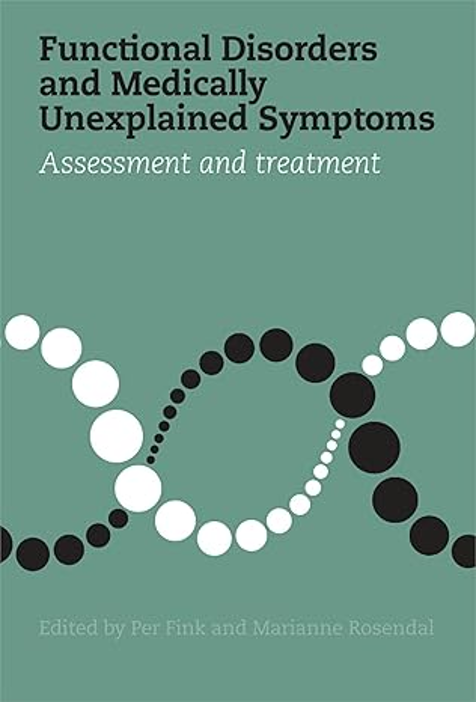
Per Fink & Marianne Rosendal (ed): Functional Disorders and Medically Unexplained Symptoms - Assessment and treatment
This book offers in-depth research on assessing and treating functional disorders, covering their background, causes, classification, and management. Aimed at primary care clinicians, non-psychiatric specialists, and healthcare professionals, it blends research with clinical experience, providing practical techniques for patient identification and coping. Its structured treatment program is part of Danish primary care specialist training and has received the Alan Stoudemire Award for innovation in psychosomatic medicine education.
Recent Publication:
Dioszeghy C and Prentice C: Solving the mystery of emergency medicine: medically unexplained syndromes. - Front. Disaster Emerg. Med.
* The “four-hour target” refers to the rule, where majority (78% for 2025/26) of patients in the Emergency Departments in the NHS (National Health Service - United Kingdom) must be treated and discharged or admitted within 4 hours of presentation.